How Streaming Is Changing the Business of Live Content
Streaming has changed what it means to have an audience.
For decades, live content depended on physical space. A concert needed a venue, a conference needed a room, and a sporting event needed a stadium. Capacity, geography, and travel determined who could experience the event. Streaming changed that model by allowing a single broadcast to reach viewers across cities, countries, and time zones.
From Physical Audiences to Digital Audiences
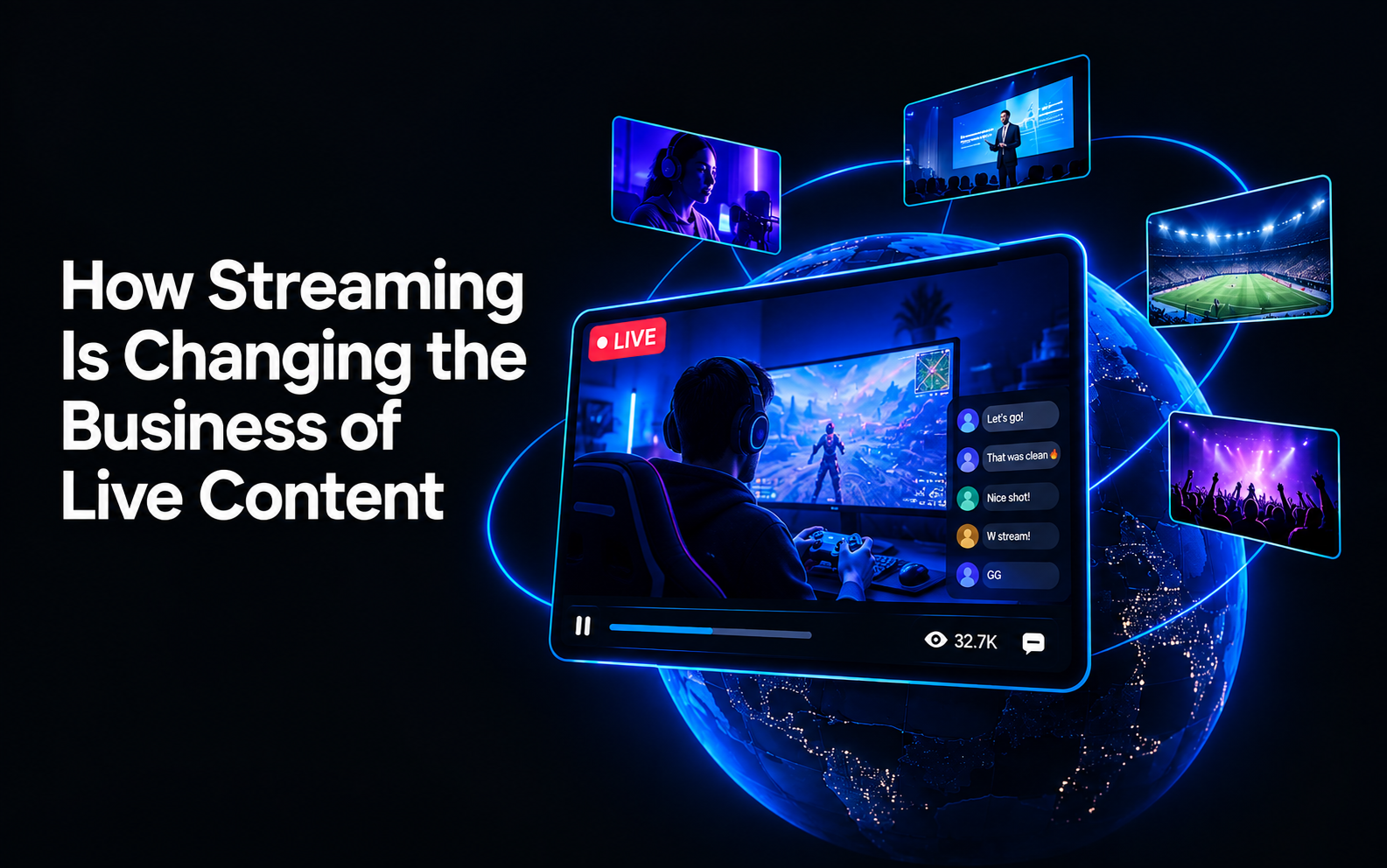
The biggest shift created by streaming is simple: the audience no longer has to be in the same place as the event. A creator can broadcast from a studio, an artist can perform for fans around the world, and a business can stream a product launch to customers who couldn't attend in person.
The event remains live, but the audience becomes digital. That creates opportunities that were difficult to achieve with traditional events.
Why Live Content Is Different
Recorded video gives viewers flexibility. Live streaming gives them immediacy.
People are watching while something is actually happening. They can participate through chat, reactions, questions, and other interactive features. That sense of being present is one of the strongest advantages of live streaming.
For creators, it also creates a more direct relationship with their audience.
Streaming Expands the Value of an Event
A physical event has a natural limit. A venue might hold 500 people, 5,000 people, or 50,000 people. Once capacity is reached, the physical audience cannot grow without changing the venue.
A digital audience works differently. Streaming allows an event to reach people beyond the physical location. Someone who couldn't travel, couldn't attend, or lives thousands of miles away can still participate.
The event can also continue creating value after the livestream ends. The broadcast can become a replay, important moments can become clips, and highlights can continue attracting viewers long after the original event.
New Ways to Monetize Live Content
Streaming has also created new revenue models.
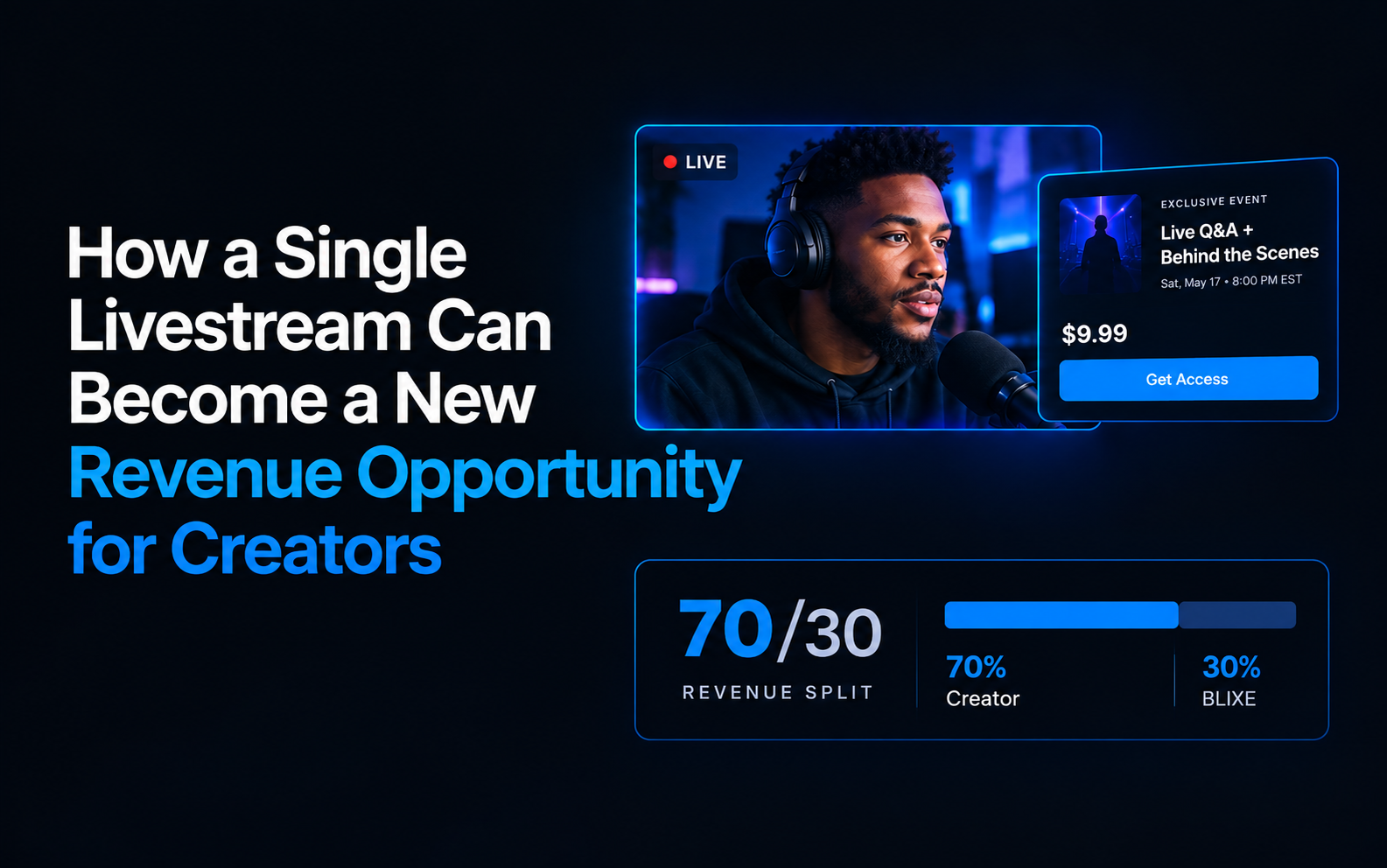
Creators and event organizers can generate revenue through advertising, sponsorships, donations, memberships, digital purchases, and pay-per-view access.
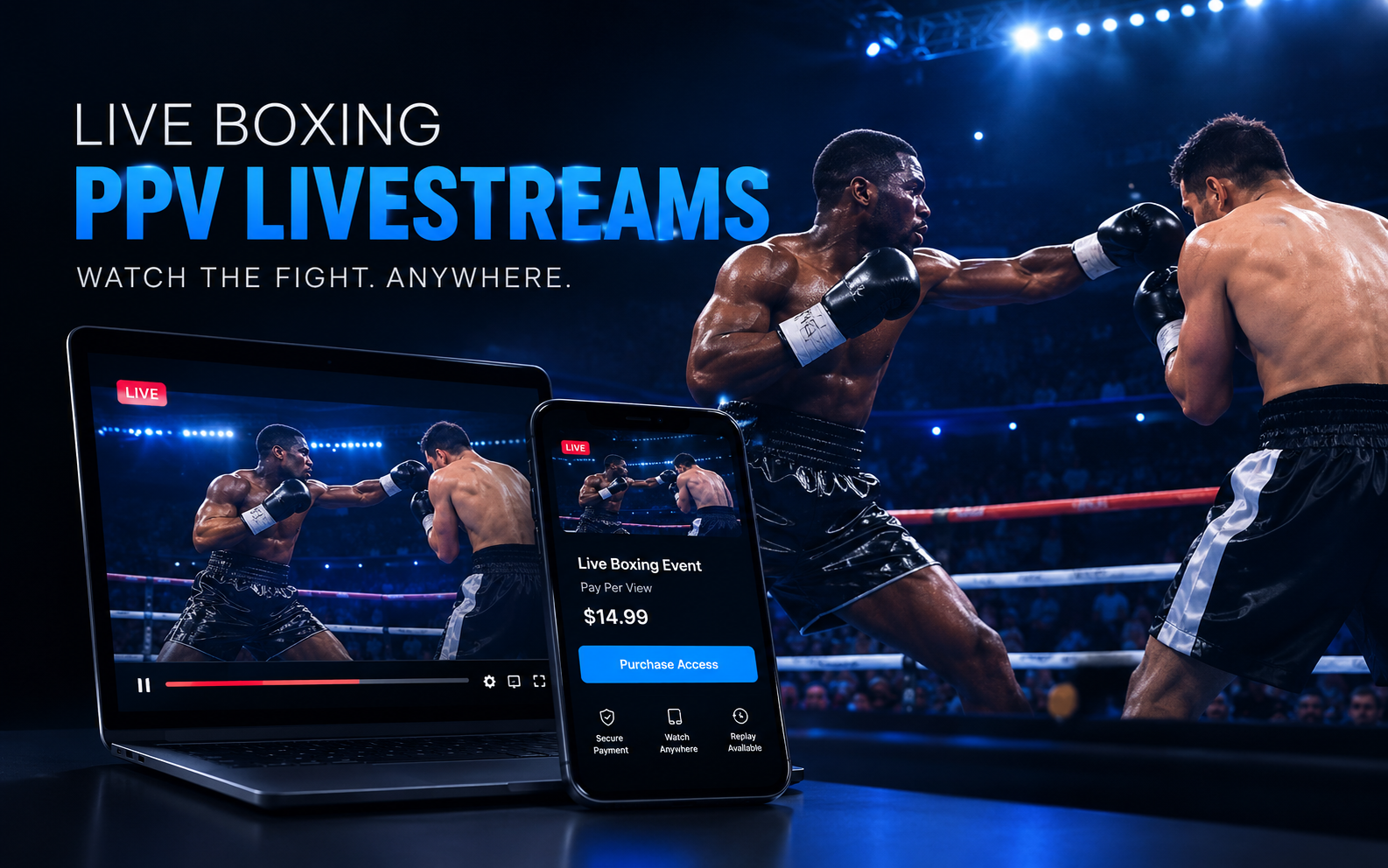
Pay-per-view is especially interesting because it connects revenue directly to a specific event. A concert, special performance, educational session, interview, competition, or exclusive broadcast can become its own paid digital experience.
Instead of depending entirely on a large subscription audience, creators can monetize individual moments that their audience considers valuable.
Streaming Goes Beyond Entertainment
Streaming isn't limited to creators and entertainment.
Businesses use live video for product launches, conferences, training sessions, demonstrations, interviews, announcements, and customer events. A digital event can reach people who couldn't attend, create a recording for later viewing, and produce additional content that can be used after the broadcast.
For businesses, streaming can become both a communication tool and a distribution channel.
The Audience Is No Longer Bound by Geography
Perhaps the biggest change is the removal of distance.
A creator in New York can have viewers in California. An artist can perform for international fans. A business can reach customers in multiple markets from one broadcast.
The location of the event still matters, but it no longer determines the size of the potential audience.
That changes how creators and organizations think about live events. Instead of only asking how many people can attend, they can also ask how many people can watch.
The Future of Live Content
Streaming doesn't replace the physical event. It expands it.
A venue can create an atmosphere that a digital broadcast cannot completely replicate, but streaming gives audiences another way to participate and organizers another way to distribute and monetize the experience.
As streaming continues to evolve, the most successful live experiences may no longer be designed exclusively for people in a room or exclusively for people online.
They will be designed for both.
The future of live content isn't only about filling a venue. It's about building an audience that can participate from anywhere and creating more value from every live moment.