Maximizing Their Earning Potential

Having a large following doesn't necessarily mean a creator is maximizing their earning potential. In today's digital economy, popularity and profitability are two very different things.
Creators can spend years building recognizable personal brands, attracting millions of views, and developing loyal communities. Yet many still depend on a limited number of revenue sources, leaving valuable business opportunities unexplored.
The real challenge isn't always finding more followers. Sometimes it's making better use of the audience and influence already established.
The Problem With One-Dimensional Revenue
Many creators build their businesses around a single monetization channel. For some, that means sponsored posts. For others, it means advertising revenue, brand partnerships, or merchandise.
While these opportunities can be profitable, relying too heavily on one source creates limitations.
Brand partnerships depend on advertiser demand. Advertising revenue can fluctuate with views and platform policies. Merchandise requires inventory, fulfillment, and customer support.
A stronger business model considers several revenue channels rather than depending on one.
The Value of a Creator's Time
One of the most overlooked assets in the creator economy is time.
A creator might spend several hours preparing a video, coordinating a collaboration, or producing a livestream. Once published, that content may generate attention for a short period before disappearing into an endless stream of new posts.
Creators should think beyond the initial publication.
Could that same expertise become a paid workshop? Could a popular discussion become an exclusive live event? Could a collaboration become a ticketed experience?
The objective is to identify additional commercial opportunities without constantly increasing production demands.
Pricing Is a Business Decision
Creators sometimes underestimate the value of their content because they compare themselves to free entertainment available online.
But pricing should reflect the experience being offered, the audience's interest, the creator's reputation, and the exclusivity of the event.
A smaller, highly engaged audience can sometimes generate stronger purchasing activity than a much larger audience with limited engagement.
Testing different price points and evaluating actual purchasing behavior can help creators make more informed decisions.
The important thing is to approach pricing strategically rather than choosing numbers based solely on what other creators charge.
Stop Measuring Success Only Through Followers
Follower counts are easy to display, but they don't tell the entire story of a creator's business.
More useful business indicators include:
- Revenue generated per event.
- Average purchase value.
- Repeat customer percentage.
- Conversion from promotional campaigns.
- Revenue generated by individual content formats.
- Audience engagement during paid experiences.
These measurements provide a clearer picture of what is actually working.
A creator with a smaller community and a strong purchasing relationship may have a more sustainable business than someone with millions of followers but limited monetization.
Build a Business That Can Grow Beyond Social Media
The next stage of the creator economy will reward individuals who understand both content and commerce.
Creators need to think about distribution, pricing, customer relationships, and the different ways their audiences can participate in their work.
This doesn't mean abandoning traditional social media. It means using those platforms to build awareness while developing additional ways to generate revenue independently.
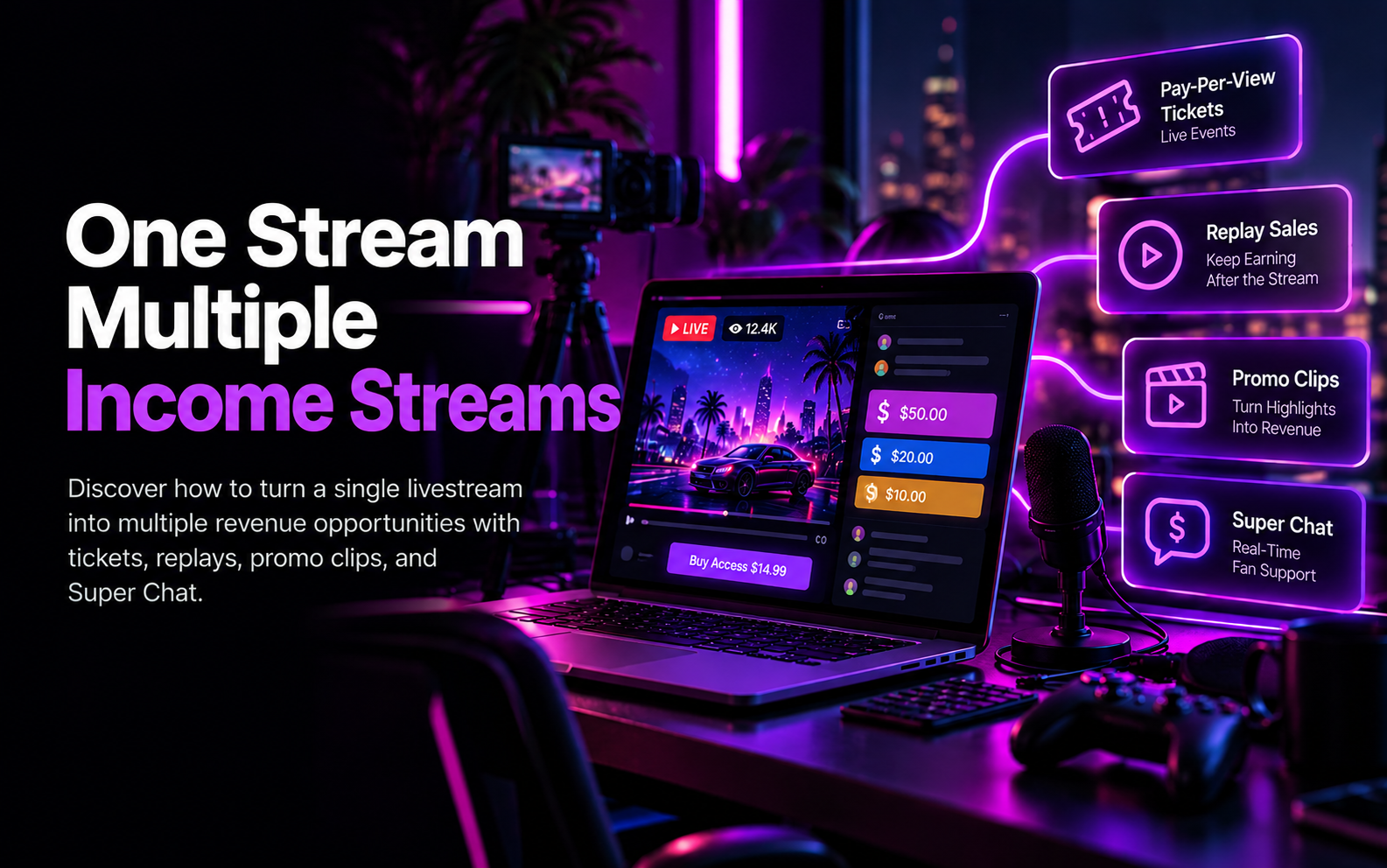
Pay-per-view livestreaming, exclusive digital events, paid appearances, and interactive experiences all offer opportunities to expand a creator's business model.
Platforms such as BLIXE give creators another way to approach this opportunity by offering paid livestream experiences directly to their audiences.
The creators who recognize the business value of their influence will be better positioned to build something that lasts.
Popularity gets attention. A well-developed monetization strategy turns that attention into a business.